How Much Salary Required For a Credit Card?
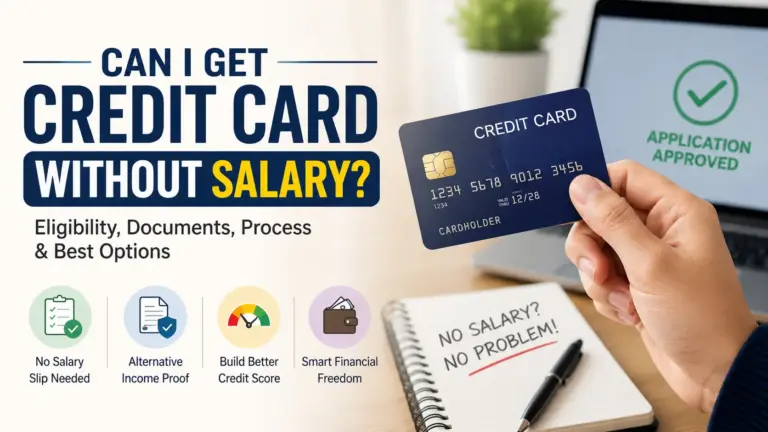
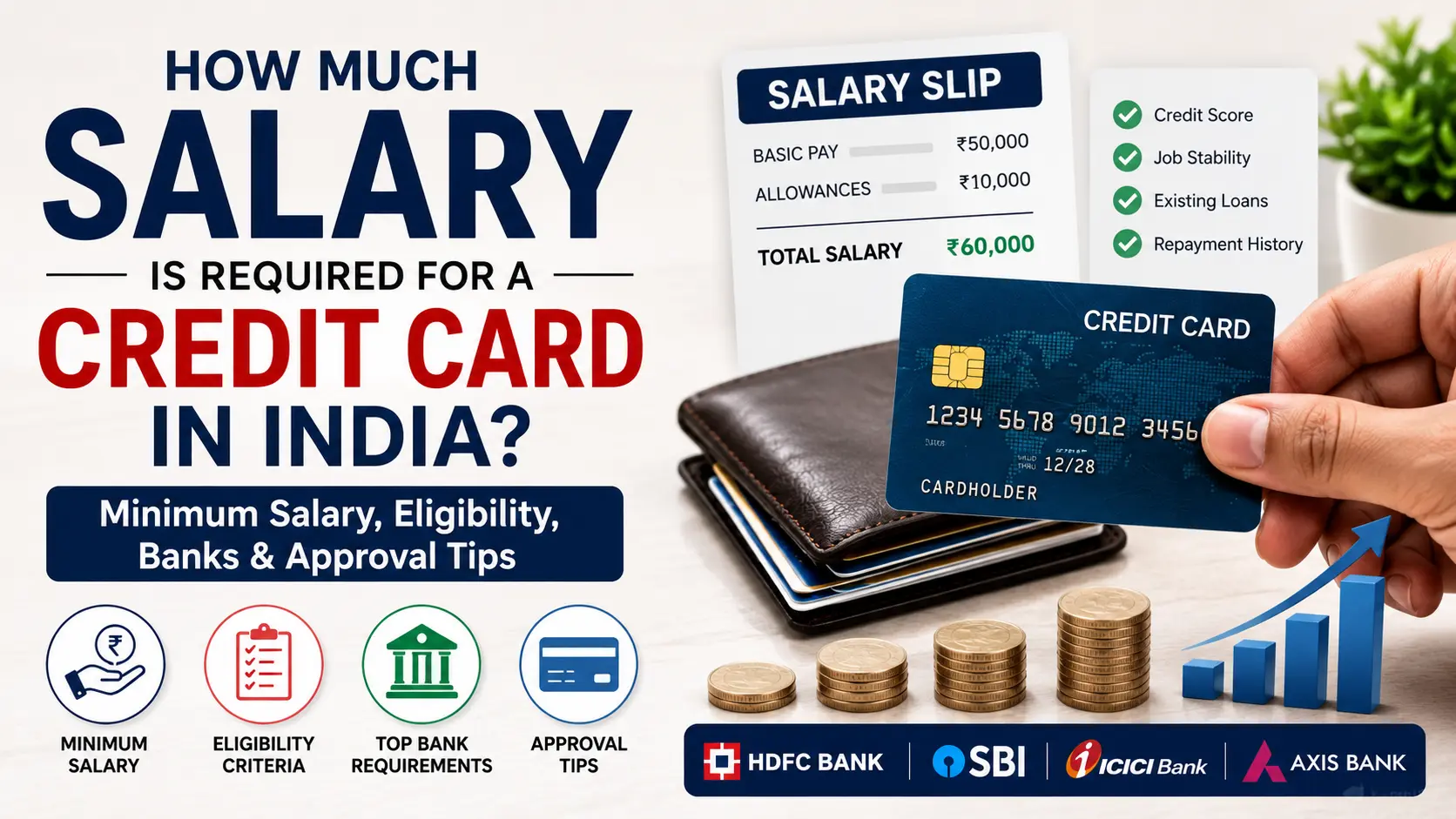
Many people ask, “how much salary required for credit card” before applying online. It’s a fair question. Banks in India usually check your monthly income first. Your salary helps them decide if you can repay bills on time.
The minimum salary for credit card India applications depends on the bank and card type. Some entry-level cards may need only ₹15,000 monthly income. Premium cards often ask for much higher earnings.
I’ve seen fresh graduates get approved with modest salaries too. It depends on your profile, spending habits, and credit history. Your job type and city can also matter. So, the salary required for credit card approval is not always the same for everyone.
What Banks Look at Besides Salary
Your income matters, but banks check other things too. Salary alone doesn’t guarantee approval. A person earning ₹25,000 may still get rejected sometimes.
One major factor is your credit score. Banks like to see responsible borrowing habits. If you’ve paid loans or EMIs on time, that helps a lot. This is part of the common credit card eligibility criteria banks follow.
Your job stability also matters. Someone working at the same company for two years may look safer than a person changing jobs every few months. Salaried employees often get approvals faster than freelancers.
Banks also check your monthly expenses and existing loans. Let’s say half your salary already goes into EMIs. In that case, the bank may reduce your card limit or reject the application.
Location can affect approval too. Metro cities sometimes have easier access to premium cards. Smaller cities may get fewer offers, though many banks now approve cards online across India.
You’ll also need basic paperwork. Common documents required for credit card applications include:
In many cases, a salary slip required for credit card approval acts as proof of stable income. Some banks ask for the last 2–3 salary slips.
For people with no credit history, banks may offer beginner cards instead. This is common for credit card for freshers salary cases where applicants are just starting their careers.
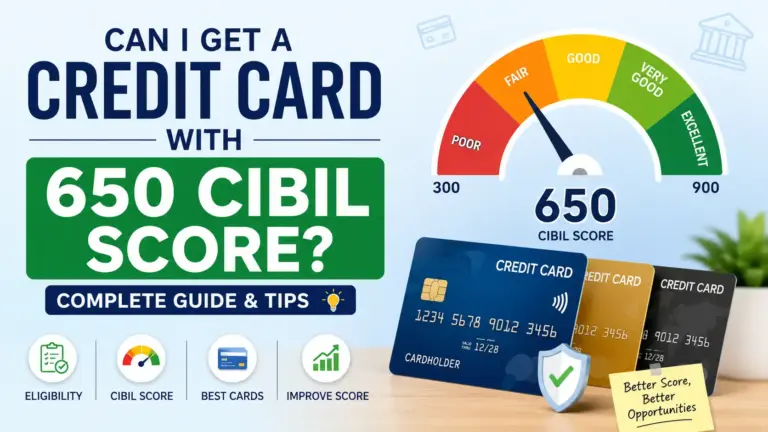
Also read – Can I Get a Credit Card with 650 CIBIL Score?
Minimum Salary Requirements by Card Type
The minimum salary for a credit card in India changes with the card category. Entry-level cards usually need lower income. Premium travel or lifestyle cards ask for much higher earnings.
Banks divide cards into different groups. Basic cards are easier to get. Premium cards come with airport lounge access, rewards, and higher limits. Because of that, the salary required for credit card approval also increases.
Some banks may approve applicants with lower salaries if they already have savings accounts or fixed deposits. This is where secured vs unsecured credit card salary rules become important.
A secured credit card is backed by a fixed deposit. These cards are easier to get, even with low income or no salary. Unsecured cards don’t need deposits, but banks check income more strictly.
| Card Type | Typical Monthly Salary Needed | Common Users |
|---|---|---|
| Entry-Level Card | ₹15,000–₹25,000 | Freshers and beginners |
| Mid-Range Rewards Card | ₹25,000–₹50,000 | Salaried professionals |
| Premium Lifestyle Card | ₹50,000–₹1,00,000+ | Experienced earners |
| Secured Credit Card | No fixed salary requirement | Students or low-income users |
The salary required for credit card applications also depends on where you live. In metro cities, some banks prefer slightly higher incomes due to living costs.
For example, the minimum income for credit card SBI/HDFC/ICICI products may differ from one bank to another. HDFC may approve one entry card at ₹20,000 salary, while another bank may ask for ₹25,000.
People often ask about credit card salary eligibility for beginners. Many starter cards today are built for young professionals. A few banks even offer relaxed student/young professional credit card eligibility rules.
If your salary is low right now, don’t worry too much. Starting with a secured card or entry-level option can help build your credit history slowly.
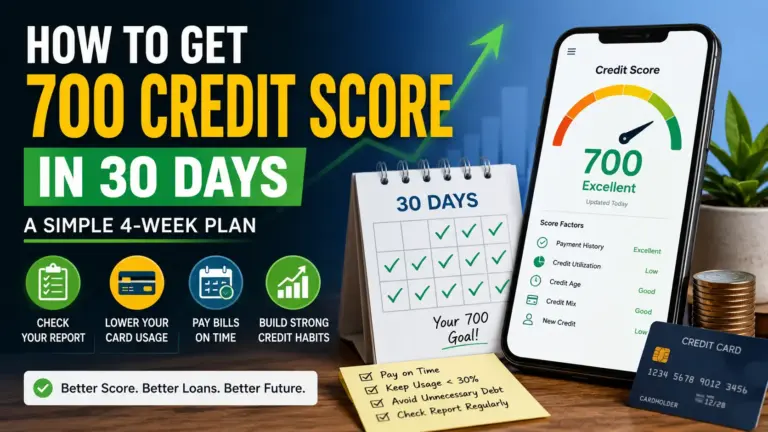
Also read – How to Get a 700 CIBIL Score in 30 Days
Bank-Specific Examples: HDFC, SBI, ICICI, and Axis
Different banks follow different approval rules. That’s why the salary required for credit card approval can change from one bank to another.
HDFC Bank often offers beginner cards for salaried employees earning around ₹20,000 per month. Premium cards from the same bank may require a monthly income of ₹ 75,000 or more.
State Bank of India, also called SBI, has several entry-level cards with flexible conditions. The minimum income for credit card SBI/HDFC/ICICI products usually starts near ₹15,000–₹25,000 for basic variants.
ICICI Bank checks salary, credit score, and repayment history together. Some ICICI cards target working professionals with stable office jobs. Self-employed applicants may need stronger bank statements.
Axis Bank offers cashback and rewards cards across many salary ranges. Their premium travel cards usually ask for higher annual income.
Banks also look at your relationship with them. If your salary account is already with the bank, approval may become easier. Sometimes people get pre-approved offers without even applying separately.
Remember, these numbers are only general examples. Policies change often, and final approval depends on your full profile.
Also read – What Are the 5 Advantages of Credit Cards in India?
Special Categories and Exceptions
Not everyone applying for a card has a full-time salary. Banks know that. That’s why there are special options for students, freelancers, and new jobholders.
Many banks now offer cards for fresh earners. A credit card for a fresher’s salary requirement may start around ₹15,000 monthly. These cards usually come with lower limits at first.
Student cards are another option. Some banks provide them against a fixed deposit or through partner colleges. Student/young professional credit card eligibility rules are often simpler than regular premium cards.
Freelancers and self-employed people can also apply. Instead of salary slips, banks may ask for income tax returns or business bank statements. In such cases, documents required for credit card approval are slightly different.
Retired people sometimes get secured cards, too. These are linked with fixed deposits. Since the bank already holds the deposit amount, approval becomes easier.
A friend of mine got his first card with no salary at all. He opened a fixed deposit first, then applied for a secured card. After a year of regular payments, he qualified for an unsecured card.
How Banks Calculate Affordability
Banks don’t look at salary alone. They also calculate how much money you can comfortably repay every month. This helps them reduce the risk of missed payments.
A big part of credit card salary eligibility is your debt-to-income ratio. That simply means how much of your salary already goes toward EMIs or loans.
Let’s say your monthly salary is ₹40,000. You already pay ₹12,000 in car and personal loan EMIs. That leaves ₹28,000 before regular living expenses. In this case, the bank may approve a smaller card limit instead of a premium one.
Some banks also study spending habits from your bank account. Regular savings and stable balances help your profile look stronger.
Your repayment history matters too. Even one delayed loan payment can affect approval chances. This is why many banks include credit history in their credit card eligibility criteria banks checklist.
The salary required for credit card approval often depends on this full picture. A person earning ₹30,000 with no loans may qualify faster than someone earning ₹60,000 with heavy debt.
Tips to Improve Approval Odds
Getting approved becomes easier when your financial profile looks stable. Small changes can make a big difference over time.
First, try maintaining a healthy credit score. Pay EMIs and bills before the due date. Even one late payment can hurt your chances.
Keep your loan burden low if possible. Banks prefer applicants with manageable monthly expenses. A lower debt ratio improves credit card salary eligibility.
Always submit proper documents required for credit card applications. Missing paperwork slows the process. Double-check details before uploading anything online.
Most banks ask for income proof. In many cases, a salary slip required for credit card approval should show steady monthly income for at least a few months.
If your income is low, start with an entry-level or secured card. This is often better than applying repeatedly for premium cards and getting rejected.
You should also avoid making too many applications together. Multiple rejections within a short time may affect your profile negatively.
For fresh earners, using a salary account with the same bank can help. Some banks already track your monthly income and spending patterns. That may improve approval chances for a credit card for freshers salary profile.
Another useful tip is keeping your bank balance stable. Sudden large withdrawals or bounced payments don’t look good during verification.
And honestly, patience helps. Many people get better cards after six to twelve months of responsible credit use.
Conclusion
The salary required for credit card approval depends on more than income alone. Banks also check your credit history, spending habits, and repayment ability. Even if your salary is modest, beginner or secured cards can help you get started. Pick a card that fits your income and lifestyle instead of chasing premium offers too early.