What Are the 5 Advantages of Credit Cards in India?
Credit cards are now a common part of daily life in India. Many young professionals use them for shopping, travel bookings, food delivery, and even monthly bills. Still, many people ask one simple question: what are the real advantages of credit card use?
The biggest benefits of credit cards are convenience, rewards, and better financial flexibility. You can earn cashback on Amazon or Flipkart orders, convert big purchases into EMI, and even build a stronger credit profile over time. That’s one reason why credit card benefits India searches have grown quickly in recent years.
If used wisely, a credit card can become a useful financial tool instead of a debt trap. In this guide, we’ll look at the 5 major benefits of credit cards and how Indian users can make the most of them.
Recommended Lifetime Free Credit Cards
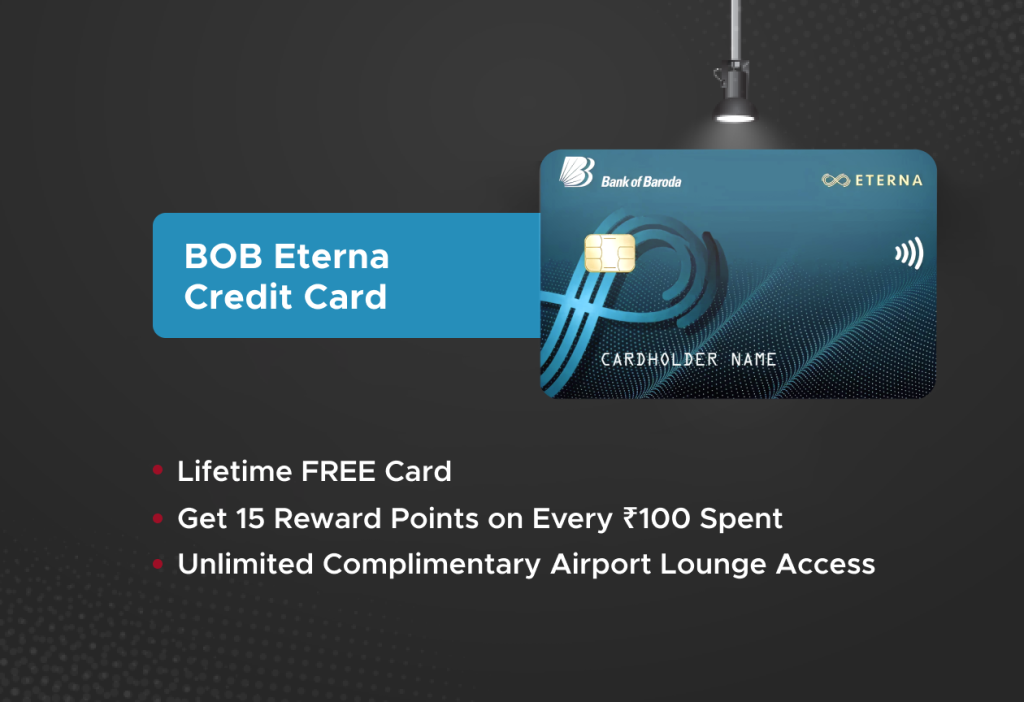
BOBCARD Eterna Credit Card – travel & lounge benefits, low forex markup!
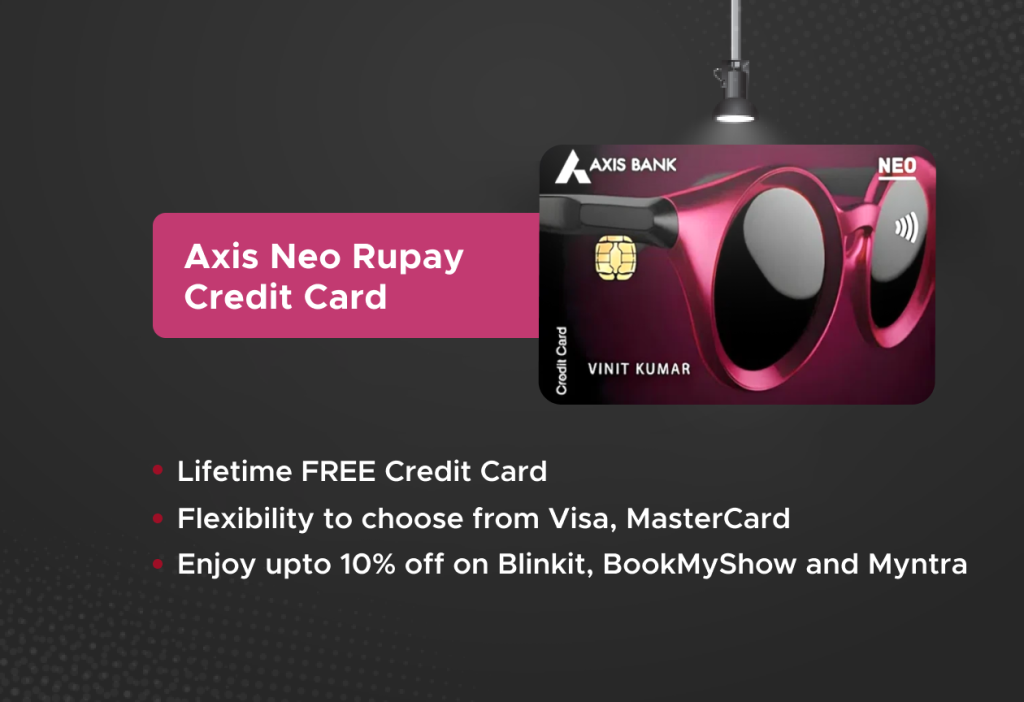
Axis Neo Rupay Credit Card – Best Card for Daily Lifestyle Expenses!
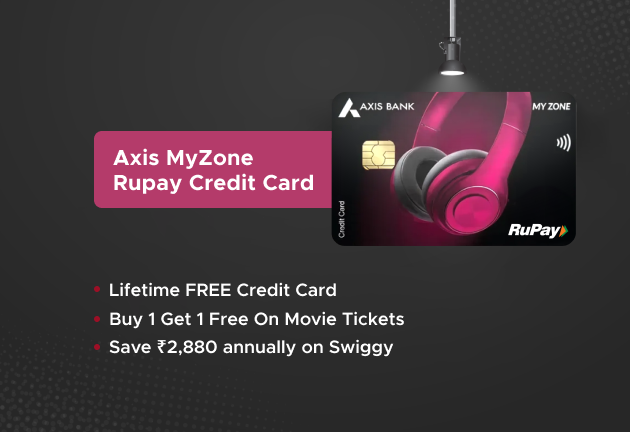
Axis MyZone Rupay Credit Card – Shopping, Dining and Entertainment!
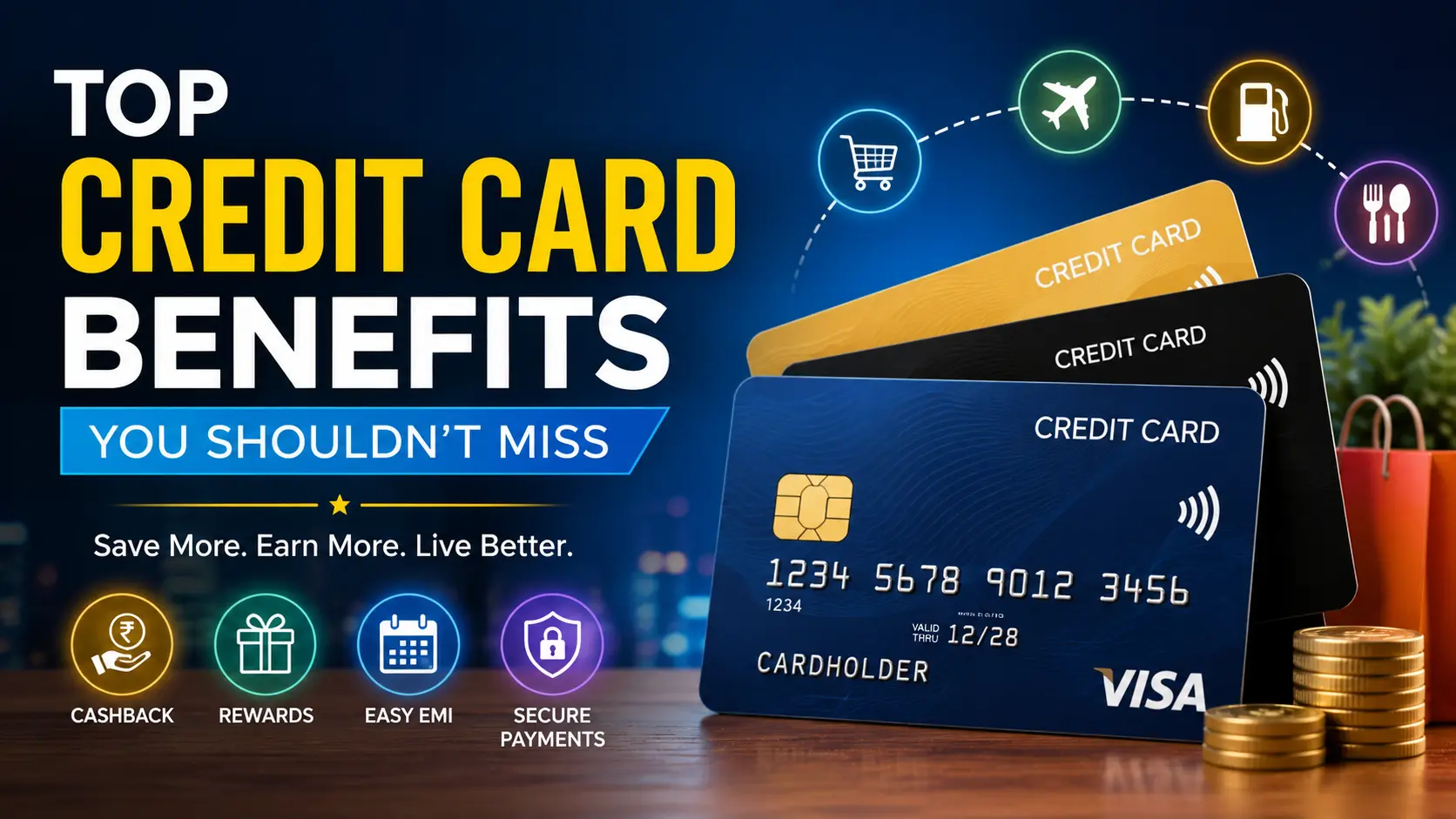
1. Earn Cashback, Rewards, and Shopping Benefits
One of the biggest advantages of credit card use is earning rewards on money you already spend. Many banks now offer cashback credit cards India users can use for shopping, travel, fuel, and dining. If you shop often on Amazon or Flipkart, the right card can help you save money every month.
For example, some of the best cashback cards for Amazon and Flipkart give 5% cashback on online shopping. That means if you spend ₹10,000 during a sale, you may get part of that money back as cashback or reward points.
Many cards also offer:
Some travel cards even provide airport lounge access credit cards users love during frequent flights.
Here’s a simple comparison between cashback vs reward points credit cards:
- Cashback – You get direct savings credited to your account or statement.
- Reward points – You collect points and redeem them for travel, shopping, or vouchers.
These credit card rewards make regular spending more valuable. That’s why many people now look for the best credit cards for online shopping in India before applying for a new card.
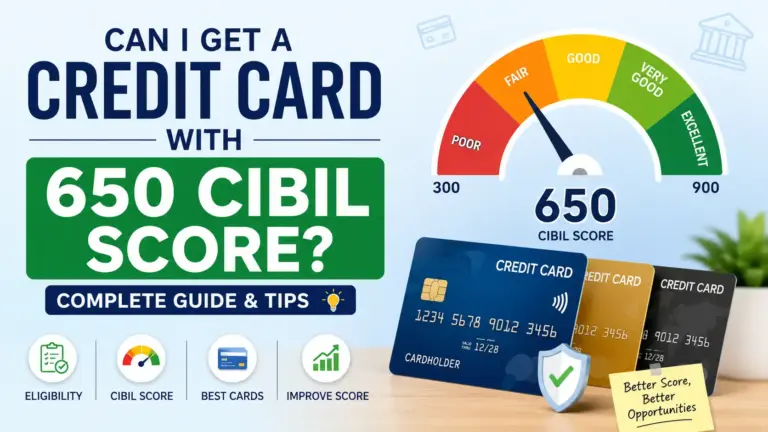
2. Build and Improve Your CIBIL Score
Using a credit card the right way can help build a strong credit history. This is one of the most important credit card advantages for young professionals in India. Banks and lenders often check your CIBIL score before approving loans or higher credit limits.
A good repayment record shows that you manage money responsibly. If you pay your bill on time every month, your score may improve over time. That’s one reason many people use a card to build CIBIL score with credit card activity early in their career.
Your score is also affected by credit utilization and CIBIL score rules. In simple words, using too much of your card limit can hurt your score. Experts usually suggest keeping usage below 30% of the total limit.
Here are a few beginner credit card tips India users should follow:
This is how credit cards improve CIBIL score when used wisely. Under RBI credit card rules India banks must report repayment behavior to credit bureaus regularly. A healthy score can later help you get better loan offers, lower interest rates, and faster approvals.
3. Easy EMI and No-Cost EMI Options
Another major advantage of using credit card in India is easy access to EMI payments. Instead of paying a large amount at once, you can divide the cost into smaller monthly payments. This helps many people manage their budget better.
Today, most banks offer credit card EMI options India shoppers use for phones, laptops, appliances, and travel bookings. Many online stores also provide no cost EMI with credit card offers during festive sales.
For example, imagine buying a ₹45,000 laptop on Flipkart. Instead of paying the full amount immediately, you can convert it into a 6 or 12-month EMI plan. This reduces pressure on your monthly savings.
Some common purchases people convert into EMI include:
These credit card EMI benefits are useful during emergencies or planned big purchases. But it’s still important to spend carefully. EMI may look affordable, but multiple EMIs together can become difficult to manage later.
If you want low monthly costs, compare low annual fee credit cards India banks offer along with flexible EMI plans. Used properly, EMI options can give better financial flexibility without disturbing your cash flow.
4. Better Security and Fraud Protection
Credit cards are usually safer than carrying large amounts of cash. They also offer better protection during online shopping and digital payments. This is one reason many people prefer cards for travel, shopping, and food delivery apps.
Most banks now use OTP verification, instant SMS alerts, and app-based controls to improve credit card fraud protection India users need today. If someone tries to misuse your card, you can quickly block it through mobile banking.
Another benefit is dispute protection. Suppose you ordered a product online but received the wrong item or no delivery at all. In many cases, the bank can investigate the payment through a chargeback request.
Here are a few smart safety habits:
Many users also feel that cards are the safest way to use credit cards online because they offer tracking and fraud reporting features. Under RBI credit card rules India banks must provide secure transaction systems and customer support for unauthorized transactions.
Good security features help cardholders shop with more confidence, especially during online sales and travel bookings.
5. Convenience for Travel and Emergency Spending
Credit cards can be very helpful during travel and emergencies. You may not always have enough cash available, especially during sudden situations like medical expenses, urgent bookings, or delayed salary payments. A credit card gives short-term financial support when needed.
Many travel credit card benefits India users enjoy today include airport lounge access, travel insurance, reward miles, and international payment support. Some airport lounge access credit cards even offer free domestic lounge visits every quarter.
For example, if you need to book a last-minute flight or hotel, a credit card can make the payment instantly without disturbing your savings account balance right away.
Credit cards are also widely accepted across hotels, airlines, and international websites. This makes them useful for:
According to an RBI Payment System Report, credit card transaction volumes in India increased from 216 crore in 2021 to 570 crore in 2025. This shows how quickly Indians are adopting cards for daily spending and travel payments.
These growing numbers clearly show why more people now see credit cards as a practical financial tool instead of just a luxury product.
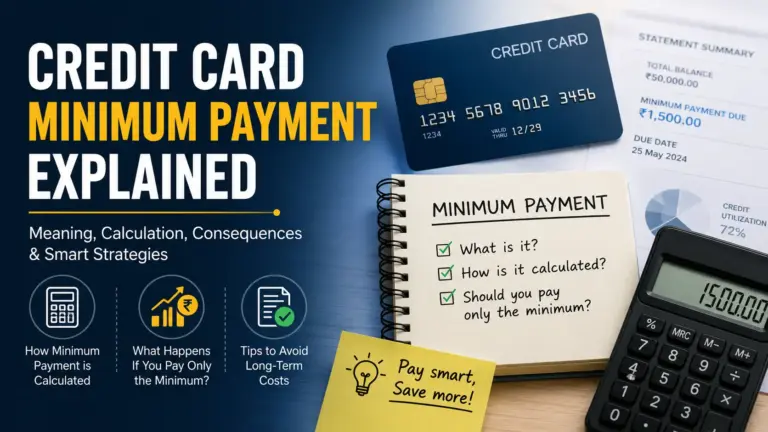
Also read – What is the Minimum Payment on Credit Card?
When to Use a Credit Card – And When Not To
Credit cards can be very useful if managed properly. But poor spending habits can create financial stress later. Understanding how to use credit cards responsibly helps you enjoy the benefits without falling into debt.
| Use a Credit Card When | Avoid Using a Credit Card When |
|---|---|
| You can repay the full bill on time | You already have unpaid debt |
| You want cashback, rewards, or travel perks | You spend beyond your monthly budget |
| You are using no cost EMI with credit card offers for planned purchases | You cannot manage multiple EMI payments |
| You want to build your credit history | You only pay the minimum due every month |
| You need secure online transactions | You withdraw cash often from ATMs |
| You want to improve your credit utilization and CIBIL score | You are using cards for unnecessary impulse shopping |
A credit card works best when treated as a payment tool instead of extra income. Smart usage can improve your financial habits and help you enjoy the best credit card benefits without unnecessary debt.
How to Choose the Right Credit Card in India
Choosing the right card depends on your spending habits and lifestyle. A card that works well for frequent travelers may not be the best option for someone who shops online more often.
If you spend heavily on Amazon, Flipkart, or food delivery apps, look for cashback credit cards India users prefer for online shopping. These cards usually offer better savings on daily spending. On the other hand, travel lovers may prefer cards with airline miles and travel credit card benefits India banks provide.
Before applying, compare these features carefully:
Beginners often start with low annual fee credit cards India banks offer because they are easier to manage. Also check whether the bank has simple rewards points redemption India options through mobile apps or partner stores.
Most importantly, choose a card that matches your income and repayment ability. The best credit card benefits are useful only when bills are paid on time and spending stays under control.
Also read – What Happens If I Use 90% of My Credit Card Limit?
What is the 3 Credit Card Rule?
The 3 credit card rule is a simple strategy used to manage credit cards smartly without creating unnecessary debt. Instead of using one card for every expense, people divide spending across three different types of cards based on purpose. This helps improve budgeting, rewards tracking, and overall financial control.
The rule usually works like this:
| Card Type | Best Use | Main Benefit |
|---|---|---|
| Cashback Credit Card | Groceries, shopping, food delivery | Earn cashback on daily spending |
| Rewards or Travel Card | Flights, hotels, travel bookings | Get reward points, airline miles, lounge access |
| Low Interest or EMI Card | Big purchases, emergencies | Easier EMI payments and lower interest burden |
For example, many Indian users keep:
This method can also help maintain a healthy credit utilization and CIBIL score because spending stays distributed instead of maxing out one card.
But the rule does not mean everyone should own exactly three cards. The real idea is balance and control. If someone cannot manage multiple due dates or spends more than they can repay, having many cards may create problems instead of benefits.
A simple approach is:
- Start with one good beginner-friendly card
- Add another only if your spending needs grow
- Always pay bills on time
Used properly, the 3 credit card rule can help users enjoy the best credit card benefits while avoiding overspending and late payment issues.
Also read – What is The 2/3/4 Rules For The Credit Card?
Conclusion
Credit cards can offer much more than just easy payments. From cashback and rewards to EMI options and better security, the advantages of credit card usage can make daily spending more convenient and rewarding. They can also help build a stronger CIBIL score when bills are paid on time and spending stays under control.
The key is choosing the right card for your lifestyle and using it responsibly. Whether you want shopping discounts, travel perks, or emergency financial support, the right card can add real value to your finances.
Before applying, compare annual fees, rewards, EMI features, and spending benefits carefully. A smart choice today can help you save more in the long run.