
How to Get a 700 CIBIL Score in 30 Days
Getting a better credit score may feel slow, but small changes can make a big difference. If you are wondering how to get 700 credit score in 30 days, the good news is that there are practical steps that can help. In India, lenders often check your CIBIL score before approving loans, credit cards, or even EMI plans.
A score near 700 shows that you handle money responsibly. That can help you get faster approvals and lower interest rates. The key is to focus on the right habits, like paying bills on time, lowering card balances, and checking your credit report for mistakes.
Here, I will show you how to improve your credit score in 30 days with simple steps that many people overlook.
What Is a Good CIBIL Score?
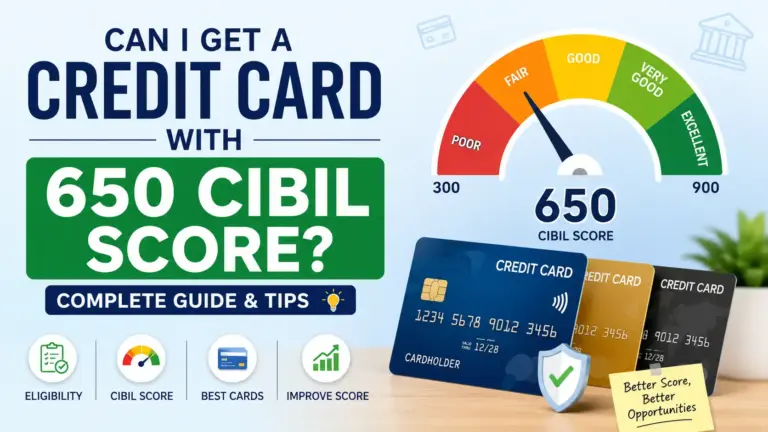
Your CIBIL score is a 3-digit number that shows how well you manage borrowed money. In India, scores usually range from 300 to 900. Banks and lenders use this score before giving loans or credit cards.
Here is a simple breakdown:
If your goal is a CIBIL score 700 in 30 days, you first need to know what affects the score. Four things matter the most:
For example, if you keep missing payments, your score may drop fast. But if you pay your credit card bill before the due date and reduce your balance, lenders may start seeing you as a safer borrower.
Think of your score like a report card for your money habits. Better habits usually lead to a better score over time.
Can You Reach 700 in 30 Days?
Yes, in some cases, you can raise credit score quickly within 30 days. But it depends on where your score stands today. If your score is already around 620–680, small fixes may push it closer to 700 faster than you expect.
Still, there is no magic trick. Credit scores improve when lenders receive updated information about your accounts. In India, most banks report data to CIBIL once every 30–45 days.
Here are the fastest ways to improve your score:
For example, if your credit card limit is ₹1,00,000 and you are using ₹85,000, your score may suffer. Paying down that balance quickly can help improve credit score in 30 days.
Some people also see gains after correcting report mistakes. A wrong late payment entry or closed account issue can pull your score down unfairly.
Tiny example message to remind yourself:
“Pay card bill on 25th every month. Keep usage below 30%.”
The biggest thing is consistency. One missed EMI can undo weeks of progress.
30-Day Action Plan to Improve Your Score
Week 1 – Audit Your Credit Report
Start by checking your full credit report from CIBIL or another credit bureau. Many people do not even know there are mistakes in their report. A wrong late payment, duplicate loan, or closed account marked “active” can lower your score.
Your first goal is simple: find problems early.
Check these details carefully:
If something looks wrong, note it immediately. This is one of the fastest ways to how to improve credit score fast.
You should also make a simple list of:
This becomes your personal credit score checklist for the next 30 days.
Tiny example:
| Account | Limit | Balance | Due Date |
|---|---|---|---|
| Credit Card | ₹50,000 | ₹18,000 | 12th |
Do not apply for new loans during this week unless absolutely needed. Too many applications can reduce your score further.
Week 2 – Reduce Credit Utilization
Your credit utilization means how much credit you are using compared to your total limit. This is one of the biggest factors that affects your score.
Simple formula:
If your card limit = ₹50,000 and balance = ₹20,000, utilization = (₹20,000/₹50,000)*100 = 40%.
Most experts suggest keeping usage below 30%. Lower is usually better.
Here are some easy credit utilization tips that can help raise credit score quickly:
Example:
Instead of waiting for the due date, pay ₹10,000 early if your balance becomes too high. This lowers the reported usage that banks send to CIBIL.
Another important habit: always pay credit card bill before due date. Even one delay can hurt your score.
Tiny reminder SMS example:
“Hi, reminder: Credit card payment due on 25th. Pay before deadline.”
You should also stop unnecessary shopping during these 30 days. The goal is to reduce balances fast and improve credit score in 30 days.
Week 3 – Fix Negative Marks
Negative marks can pull your score down for months. The good news is that some issues can be corrected if the information is wrong or outdated.
Start by checking for:
- Incorrect late payment entries
- Closed loans marked as active
- Duplicate accounts
- Wrong outstanding balances
- Unknown loan inquiries
If you find an error, raise a dispute with CIBIL or directly with the bank. Many people ignore this step, but fixing one mistake may help raise credit score quickly.
You should also clear overdue EMIs and unpaid card bills as soon as possible. Even partial payments are better than ignoring the account.
Below is a short dispute credit report errors sample email you can customize later:
Dear Team,

I found an incorrect late payment entry in my credit report for account XXXX. Kindly verify and update the information.

Please let me know if you need supporting documents.

Regards,
[Your Name]
If your score is very low, you can also explore a credit builder loan India option through banks or fintech apps. These are small loans made to help people rebuild repayment history.
Keep records of every complaint number and payment receipt. Small paperwork mistakes can slow updates.
Also read – What Happens If I Use 90% of My Credit Card Limit?
Week 4 – Build Positive Activity
Now that you have reduced balances and fixed major issues, the next step is building positive credit activity. Lenders want to see steady and responsible behavior, not just one-time fixes.
A simple way to do this is by using credit carefully and paying on time every month.
Focus on these habits:
If you do not have much credit history, consider a secured card or a credit builder loan India product. These tools are often easier to get because they are backed by a fixed deposit or small repayment plan.
Example:
Use your credit card for a small bill like mobile recharge or fuel. Then pay the amount fully before the due date. This creates positive repayment history without increasing debt.
Tiny monthly routine:
- 5th: Check balances
- 10th: Make part payment
- 20th: Review report updates
- 25th: Pay full bill
People trying for a CIBIL score 700 in 30 days often fail because they stop after paying one bill. Strong scores usually come from regular habits repeated every month.
Also read – What is the Minimum Payment on Credit Card?
Mistakes That Lower Your CIBIL Score
Sometimes people work hard to improve their score but still see little change. That usually happens because of a few common mistakes. Even small money habits can affect your CIBIL score over time.
One of the biggest mistakes is missing payments. Even a single late EMI or card payment can stay on your report for years. Always pay credit card bill before due date, even if you can only pay the minimum amount temporarily.
Another common issue is using too much of your credit limit. High balances make lenders think you depend heavily on borrowed money.
Avoid these mistakes if you want to improve credit score in 30 days:
- Applying for many loans together
- Closing old credit cards too quickly
- Ignoring small overdue amounts
- Using almost 100% of your card limit
- Co-signing loans for someone without trust
- Forgetting auto-debit failures
Many people also skip checking their report. Errors can quietly damage your score month after month. That is why your credit score checklist should include monthly report reviews.
Bad example:
- Card limit: ₹80,000
- Spending: ₹75,000
- Utilization: Very high
Better example:
- Spending under ₹20,000
- Bills paid on time
- No new loan applications
If you are trying to how to improve credit score fast, focus more on avoiding mistakes than chasing shortcuts. Good habits often work better than quick fixes.
Also read – What Are the 5 Advantages of Credit Cards in India?
Best Tools & Products to Build Credit in India
If your score is low or you have little credit history, the right tools can help you build trust with lenders. You do not need expensive products. Simple and steady usage matters more.
One helpful option is a secured credit card. These cards are usually backed by a fixed deposit. Because the bank already has security, approval is often easier even for beginners.
Another option is a credit builder loan India product. These are small loans created to help people build repayment history. You borrow a small amount and repay it in monthly installments. Timely payments may help your score grow over time.
Useful tools and products include:
- Secured credit cards
- Small EMI-based loans
- Auto-pay banking features
- Credit monitoring apps
- Budget tracking apps
You can also set automatic reminders for bills. Missing a payment because you forgot the date is more common than people think.
Simple example:
- Card limit: ₹25,000
- Monthly usage: ₹5,000
- Full payment before due date
This creates healthy repayment behavior without large debt.
If possible, use one primary credit card instead of applying for many new ones. Too many applications in a short time can slow progress.
A good setup plus strong habits can help people who want to raise credit score quickly and move closer to a 700 score.
Realistic Timeline for Score Updates
Many people expect their credit score to change overnight. In reality, score updates take time because banks and lenders usually send account data once every month.
In India, CIBIL updates often appear within 30 to 45 days after new payment information is reported. Some lenders update faster, while others may take longer.
Here is a simple idea of what may happen during the process:
- Week 1: You pay overdue balances
- Week 2: Card usage drops
- Week 3: Lender reports updated data
- Week 4–6: Score changes may appear
If you recently paid old dues, do not panic if your score stays the same for a few weeks. Reporting delays are normal.
Dispute corrections can also take time. If you submit a complaint about report mistakes, the bureau may first contact the lender to verify the details. That process can take several days or longer.
Quick example:
- Bill paid on May 10
- Bank reports on May 30
- Updated score visible in June
People searching for how to get 700 credit score in 30 days should understand that some improvements happen fast, while others depend on lender reporting cycles.
Patience matters. Consistent habits usually produce better long-term results than quick temporary changes.
Conclusion
Reaching a better credit score is possible when you focus on the right habits consistently. If your goal is how to get 700 credit score in 30 days, start with the basics: lower card balances, avoid missed payments, and check your report for mistakes.
You do not need complicated tricks. Most people see progress by paying bills on time, following smart credit utilization tips, and avoiding unnecessary loan applications. Small actions repeated every month often matter more than one big payment.
Remember these key steps:
- Keep credit utilization below 30%
- Pay EMIs and cards on time
- Fix report errors quickly
- Track your score regularly
- Avoid too many hard inquiries
Even if you do not reach 700 immediately, these habits can still help improve your financial profile over time.